

Mary Ann Shumway McFarland (current instructor of the Intro to Women’s Studies course) discusses the impact of Iraqui Yazidi genocide survivor and Nobel Peace Prize recipient Nadia Murad.

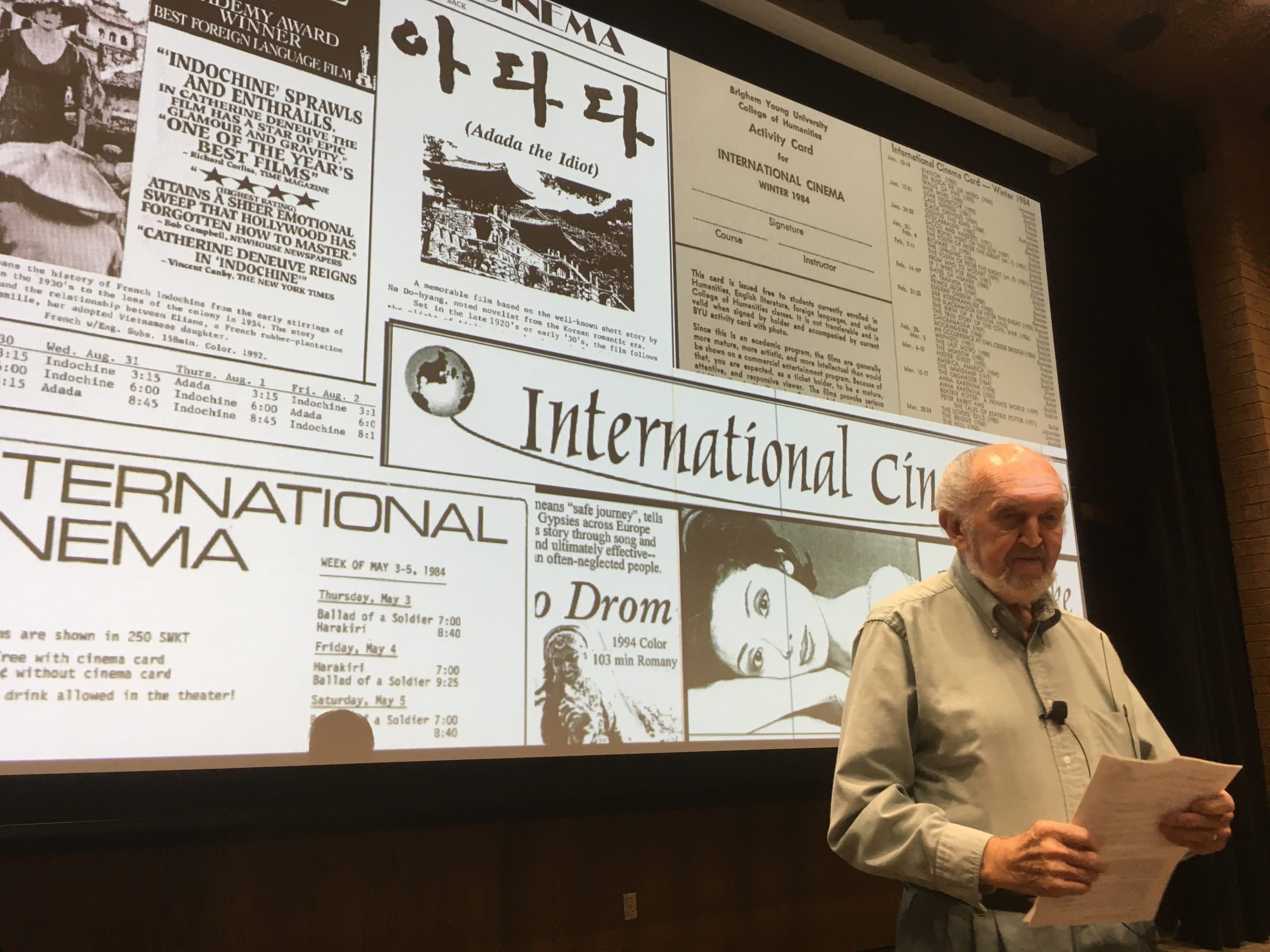
Mary Ann Shumway McFarland lecturing about the film “On Her Shoulders” at International Cinema, March 2019.
PROVO, Utah (March 6, 2019)—Mary Ann Shumway McFarland spoke at one of the latest International Cinema lectures about Nadia Murad, winner of the 2018 Nobel Peace Prize. In 2014, Murad had been kidnapped from her home and sexually enslaved by the Islamic State (ISIS). This assault was a part of their campaign against all non-Muslims, including the monotheistic Yazidi minority group that Murad belongs to.
Unfortunately, this type of violence against the Yazidi people is not uncommon; as McFarland noted, “Perhaps because they are a religious minority, perhaps because they have no written book of scripture, they have been targeted many, many times by larger religious groups.”
Thankfully, Nadia Murad was able to escape her captors after three months of torment. Now, she works to raise awareness for those still held captive by ISIS. McFarland commented on the immense courage and strength Murad has demonstrated in speaking up for those still captive. Rather than letting her experiences break her, Murad has allowed her experiences to strengthen her.
McFarland noted that in modern politics it is often difficult to get the right people to listen to the whole story. She remarked that “Nadia Murad is trying to. . . condense [the details of her story], to bring them down to a time where important people have the attention span to listen to her story.”
Many have listened. Since Nadia Murad won the 2018 Nobel Peace Prize, many people know her name and story. The documentary film On Her Shoulders (Alexandria Bombach, 2018) has been made to help bring Nadia Murad’s story to those who have not yet heard it. To conclude, McFarland shared her hope that those who watch the film “will see we actually have a lot in common with Nadia Murad even though she’s from the other side of the world.” McFarland also urges us to “watch what [Nadia Murad’s] lifestyle is as she becomes a spokesperson and a mouthpiece for her people . . . [and] appreciate the fact that you are already in a place that is aware of situations like [Murad’s] and is actively working on how to assist and help women globally.”
—Jensyn Eubank (English ’20)
Click here to see original article published
on the College of Humanities Website.



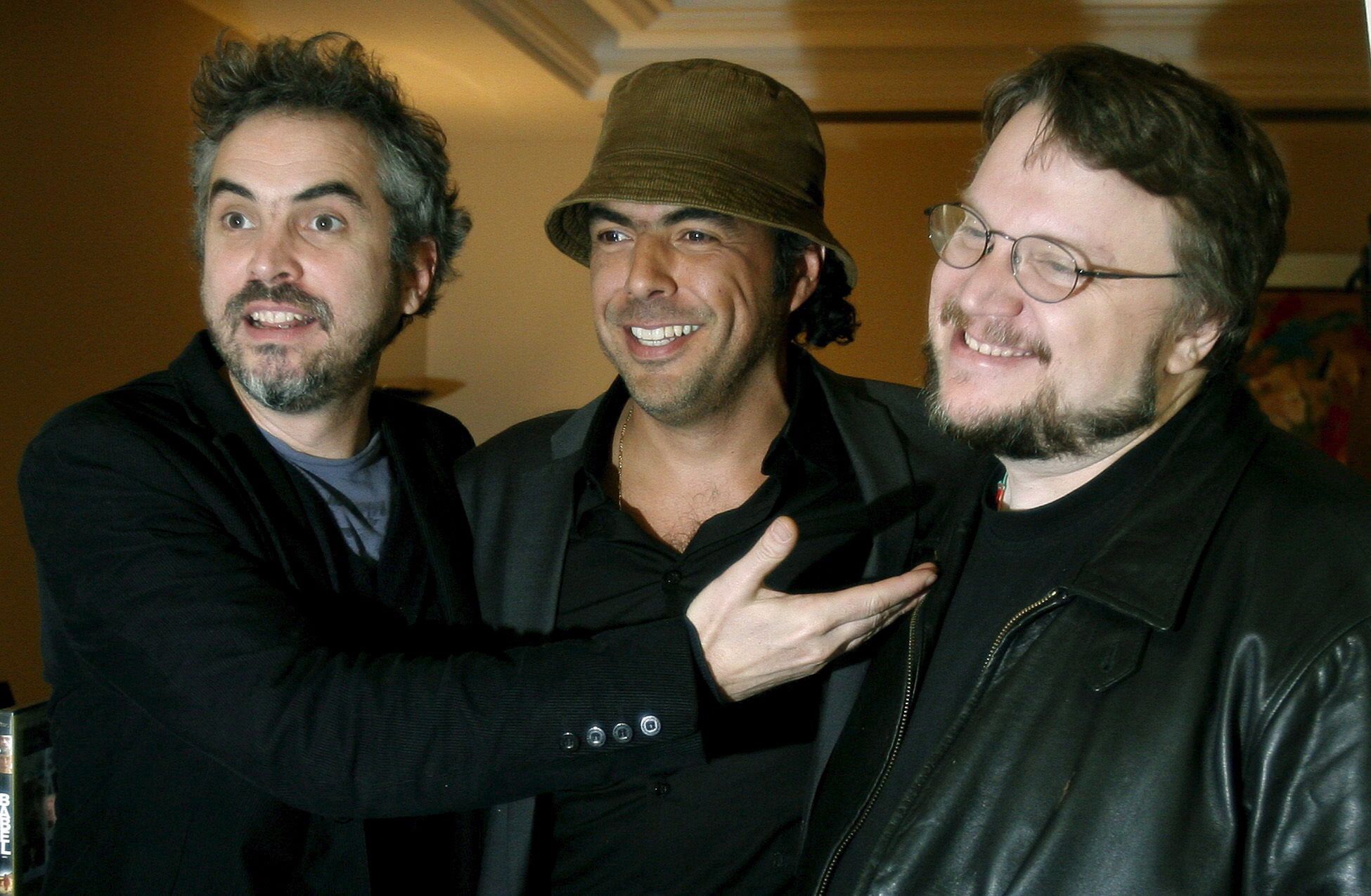
 Winner of almost innumerable awards including the Oscar for Best Film and the Golden Lion at the Venice Film festival, this film invites us to explore the history of Eliza, a lonely janitor who befriends a monster imprisoned in a top-secret research facility at the height of the Cold War. Guillermo Del Toro, a director known for his interest in the fantastic in films like Pan’s Labyrinth (2006) and Pacific Rim (2013), once again delights with a film grounded in marvelous production design and a captivating musical score with the power to immerse the spectator in a magical world.
 Directed by Alejandro González Iñárritu, Biutifulis the story of Uxbal, a conflicted man trying to find beauty and meaning amidst the disgraces and challenges of life. This movie does not shy from the dark sides of humanity and life and leverages them to explore the meaning of existence. Through impeccable direction, Iñarritu delivers an emotional story that shines with the brilliant performance of Javier Bardem, nominated for several awards including the Academy Award for Best Actor and Best Actor at the Cannes Film Festival.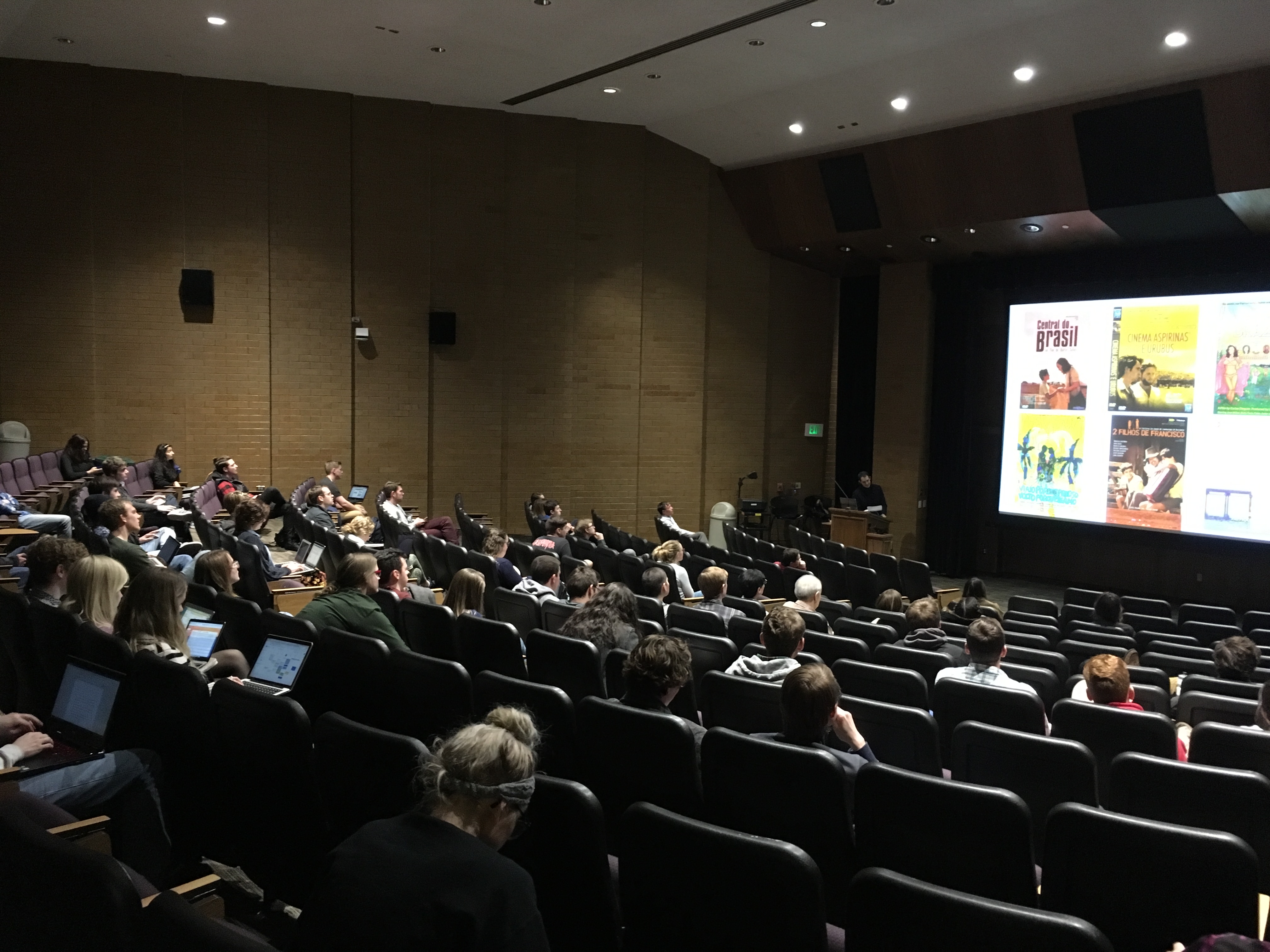

 In fall 2019, IC co-director Chip Oscarson and IC programmer Marie-Laure Oscarson will be leading a semester-long study abroad program to Paris–the birth place of cinema. The focus of the program will be on the media history and the cinema cultures of Europe. As part of the program students will participate in film festivals, visit the varied cinematic venues around the city, visit museums, do archival research about film history, and come to understand better the visual cultures that produced cinema in the late 1800s. It will be a once-in-a-lifetime experience not to be missed. Classes can be applied to fulfill GE requirements or to meet program requirements in both the ICS minor as well as the Media Arts track IHUM major. No prior knowledge of French is required. For questions about the program see
  On Nov. 8 following the screening of G.W. Pabst’s